Introduction
The culinary world is a treasure trove of developments that enhance both the efficiency and quality of cooking. One such innovation is the cream battery charger, a little but magnificent device that has reinvented how we give whipped cream. Nevertheless, similar to many developments, there's a growing concern regarding their ecological footprint. In this detailed short article, we'll unwind The Environmental Impact of Using Cream Chargers, diving into the materials used, emissions released throughout production and disposal, and sustainable options that might help reduce these impacts.
The Ecological Effect of Utilizing Cream Chargers
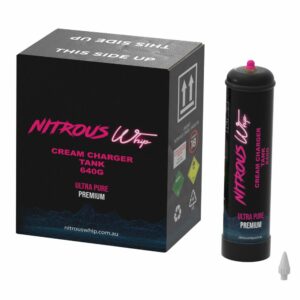
Cream chargers, frequently referred to as whipped cream chargers or N2O cream chargers, are little canisters filled with laughing gas (N2O) gas. They are mainly utilized in combination with whipped cream dispensers to develop light and airy whipped cream quickly. While they have ended up being a staple in coffee shops and home kitchen areas alike, their ecological implications can not be overlooked.
What Are Cream Chargers?
At its core, a cream charger is a cylinder consisting of laughing gas gas utilized for whipping cream. When the gas is released into a whipped cream dispenser, it develops pressure that rapidly aerates the cream within, producing fluffy whipped cream. But what occurs when we consider the entire lifecycle https://griffinfence-installerrmma320.cavandoragh.org/the-dos-and-do-n-ts-of-utilizing-n2o-cream-chargers-at-home of these chargers?
Production Process: The Surprise Costs
The production of N2O cream chargers involves several procedures that add to environmental destruction:
Raw Material Extraction: The metals used in producing cream charger bulbs frequently come from mining activities which can cause environment destruction.
Manufacturing Emissions: The manufacturing procedure discharges greenhouse gases (GHGs) into the atmosphere.

Transportation Footprint: Transporting these chargers from producers to retailers includes further carbon emissions.
Each step contributes to the total ecological footprint associated with these seemingly harmless kitchen tools.
Usage and Its Implications
Using whip cream chargers may seem safe at first glance; however, it's important to consider their implications:
- Nitrous Oxide Emissions: Although the gas is intended for cooking purposes, if not correctly handled during use or disposal, it can get away into the atmosphere. Waste Generation: Disposed of cream charger bulbs contribute substantially to waste streams since they are frequently made from aluminum or steel.
How Much Waste Do We Generate?
To put things into point of view:
|Kind of Waste|Yearly Generation (Worldwide)|| ---------------|-------------------------------|| Nitrous Oxide Emissions|15 million heaps|| Non-Recyclable Chargers|10 million systems|
These staggering figures paint a brilliant picture of how our cooking conveniences add to wider environmental issues.
Disposal Obstacles: What Happens After Use?
Once you've enjoyed your pleasantly whipped dessert or topping, what do you make with your empty whip cream charger? Sadly:
- Many users just toss them in basic trash bins. If not dealt with properly, they can add to garbage dump overflow. Aluminum battery chargers might use up to 200 years to decompose if not recycled.
Can We Recycle Cream Charger Bulbs?
Yes! Numerous areas have recycling programs for metal products. However, due to their little size and common misplacement in routine trash bins, numerous consumers disregard appropriate recycling protocols.
Sustainable Alternatives to Cream Chargers
As awareness grows regarding sustainability problems connected to using N2O cream chargers, more environmentally friendly options are emerging:
Pump Whippers: These devices utilize air rather of nitrous oxide and need manual pumping.
Reusable Whipped Cream Dispensers: They enable users to whip their own creams without relying on single-use chargers.
Plant-Based Whipping Agents: Think about utilizing natural plant-based products that can attain similar results without harmful components or packaging waste.
Are Plant-Based Alternatives Effective?
Absolutely! Products like aquafaba (the liquid from canned chickpeas) can produce steady foams comparable to conventional whipped creams while being completely vegan-friendly!
Consumer Awareness and Responsibility
So what does all this mean for you as a consumer? Understanding your buying choices' influence on the environment leads us towards making notified choices:
- Choose brand names dedicated to sustainable practices. Educate yourself about appropriate disposal methods. Opt for reusable alternatives whenever possible.
Regulatory Actions and Market Response
Governments worldwide are starting to recognize the environmental effect posed by laughing gas emissions linked with food service markets:
Stricter regulations are being put in location on emissions from business kitchens.
Initiatives encouraging manufacturers towards environmentally friendly styles are gaining traction within industry circles.
Innovations in Sustainable Practices
The food service market isn't standing still either; innovative companies are striving for greener options:
- Some makers are try out biodegradable materials for packaging. Others concentrate on creating refillable systems aimed at reducing single-use items like N2O cartridges altogether.
FAQs About Cream Chargers
1. What are N2O Cream Chargers?
N2O cream chargers are small cylinders filled with laughing gas gas designed primarily for whipping creams rapidly using specialized dispensers.
2. Can I recycle my empty whip cream charger?
Yes! A lot of aluminum or steel whip cream charger bulbs can be recycled where metal recycling centers exist; check regional regulations!
3. Exist any health risks connected with utilizing nitrous oxide?
While usually safe when utilized correctly in culinary settings, extreme inhalation outside meant use might present health threats consisting of oxygen deprivation.
4. For how long does it consider disposed of cream charger bulbs to decompose?
Aluminum battery chargers can take up to 200 years if not properly recycled-- making recycling imperative!
5. What are some eco-friendly alternatives?
Consider pump whippers or plant-based whipping agents like aquafaba as effective replacements for traditional N2O chargers!

6. How do I select a more sustainable brand?
Look for accreditations showing environmentally responsible sourcing practices and commitment towards reducing waste throughout their supply chains.
Conclusion
In summary, while delighting in fluffy clouds of whipped goodness might bring pleasure into our lives-- it's crucial we don't neglect our duty towards Environment when using products like cream chargers. It's due time we embrace more sustainable practices that minimize our ecological footprint without compromising flavor or convenience! By being conscious customers who choose sensibly today-- our cumulative actions will lead the way towards an eco-friendly future tomorrow.
As we move forward in this journey together-- let's keep our eyes peeled for developments while committing ourselves towards making thoughtful choices that secure our planet!